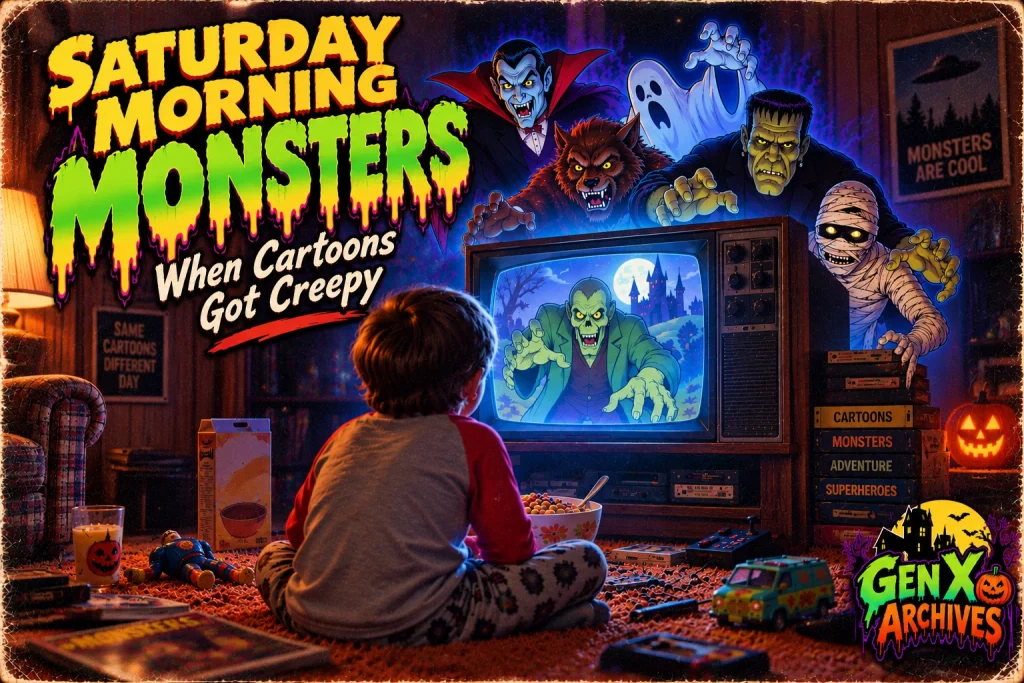
Saturday morning was supposed to be safe. There was cereal, cozy pajamas, toy commercials and absolutely no reason to get dressed before noon.
You sat down with a big bowl of Cap’n Crunch to watch your favorite cartoon, and then there were monsters. Lots and lots of monsters.
Vampires. Werewolves. Ghosts. Mummies. Giant insects. Sea creatures. Aliens. Skeletons. Demons. Monsters who solved mysteries. Monsters who drove around in customized vehicles and occasionally performed musical numbers.
For a generation of kids growing up in the 1970s and ’80s monsters weren’t something reserved for late-night horror movies.
They were part of Saturday morning.
Long before many kids were old enough to rent A Nightmare on Elm Street or stay up for Tales from the Darkside, television had already introduced them to the basic vocabulary of horror.
Dracula had a cape and fangs. The Wolf Man came out when the moon was full. Mummies escaped from tombs. Ghosts haunted old houses.
And if a group of teenagers encountered an abandoned amusement park, creepy mansion, or deserted mine, there was approximately a 100 percent chance something terrible lived inside.
Saturday morning cartoons didn’t invent our fascination with monsters. But they certainly helped raise a generation of little monster fans.
Scooby-Doo Opened the Door
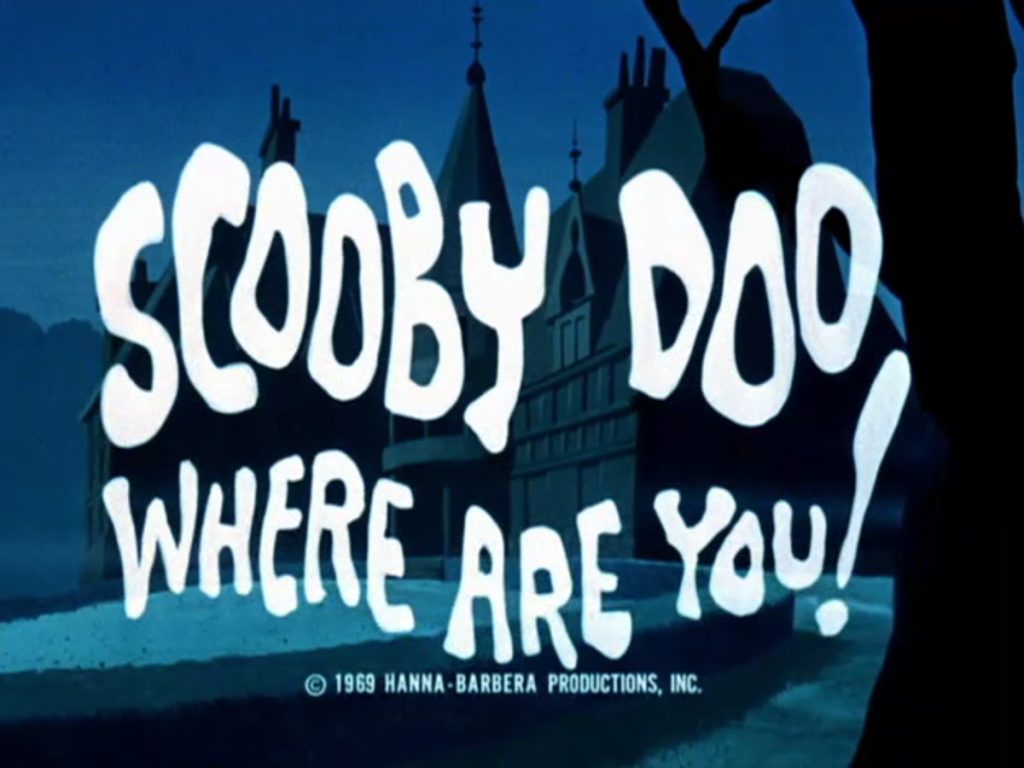
Any discussion of Saturday morning monsters has to begin with Scooby-Doo, Where Are You!
When the series debuted on CBS in 1969, its monsters usually came with an important disclaimer: they weren’t actually monsters.
The ghost was a guy. The vampire was a guy. The ten-foot radioactive swamp creature was also a guy.
And eventually Fred was going to pull his head off.
That didn’t make the monsters any less memorable.
The original series gave kids haunted houses, glowing divers, creepy castles, phantom puppeteers, and assorted creatures lurking in places no sensible teenager should have entered in the first place.
The formula was wonderfully simple.
The Mystery Inc. gang arrived somewhere strange. Someone warned them to leave. They didn’t leave. A monster appeared. Shaggy and Scooby ate something. Everyone ran through a hallway containing an impossible number of doors.
Then came the trap, the mask and the iconic line, “And I would have gotten away with it too, if it weren’t for you meddling kids!”.
But beneath all the comedy was something important. Scooby-Doo made horror fun.
It took the imagery of Universal monster movies, Gothic horror, ghost stories and creature features and repackaged it into something a seven-year-old could watch while eating Count Chocula.
And once the door opened, a whole parade of monsters followed.
When the Monsters Became the Heroes
It didn’t take long for cartoons to figure out that monsters didn’t always have to be the villains. Sometimes they could be the stars.
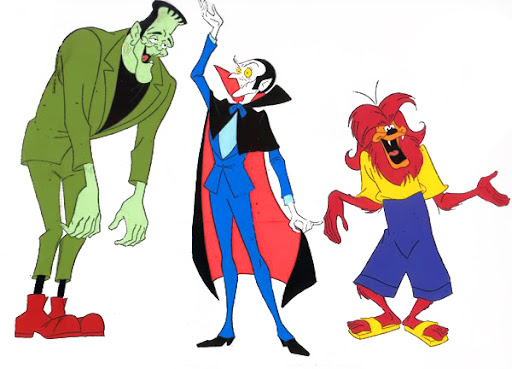
The Groovie Goolies, which debuted in 1970, essentially turned the classic horror movie lineup into a comedy troupe.
Dracula became Drac, Frankenstein’s monster became Frankie and The Wolf Man became Wolfie.
Instead of terrorizing villagers, they cracked jokes, played music and lived together at Horrible Hall.
It was ridiculous, and it was glorious. It was also part of a larger transformation taking place in children’s entertainment.
The classic monsters were losing some of their teeth.
By the 1970s, Dracula, Frankenstein’s monster and the Wolf Man had been around for generations. They were still horror icons, but they were also becoming pop-culture characters that could be parodied, merchandised and served to children.
Monsters could now be funny. They could be lovable. They could even have their own bands.
Saturday morning was becoming very comfortable with the undead.
The Munsters Came Back as a Cartoon
Even The Munsters eventually found their way into Saturday morning animation.
The Mini-Munsters appeared as part of The ABC Saturday Superstar Movie in 1973, essentially translating the familiar monster-family concept into cartoon form.
By then, the Munster family already represented one of television’s most successful tricks: taking horror imagery and turning it into domestic comedy.
Herman looked like Frankenstein’s monster. Grandpa Munster looked like Dracula. The family lived in a Gothic mansion.
And somehow the strangest thing about them was that Marilyn looked completely normal.
The animated version reinforced something Saturday morning television had been teaching kids for years. Monsters didn’t necessarily have to be scary.
Sometimes they were just another weird family on television.
Fangface Was Basically Scooby-Doo With a Werewolf
Then there was Fangface.
Premiering in 1978, the series followed a group of teenagers solving mysteries and encountering bizarre villains.
Sound familiar?
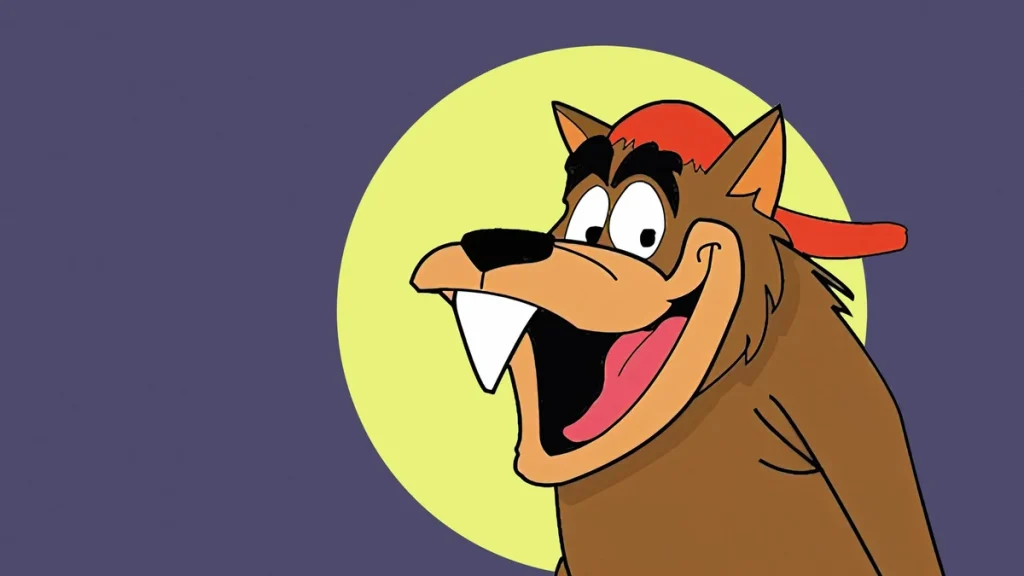
There was, however, one fairly significant difference. One of the teenagers actually turned into a werewolf.
Sherman “Fangs” Fangsworth transformed into Fangface whenever he saw the moon, or apparently anything resembling it.
It represented another step in the evolution of Saturday morning monsters. Scooby-Doo had given us fake monsters. Fangface gave us a real one.
He just happened to be on our side.
Godzilla Stomped Into Saturday Morning
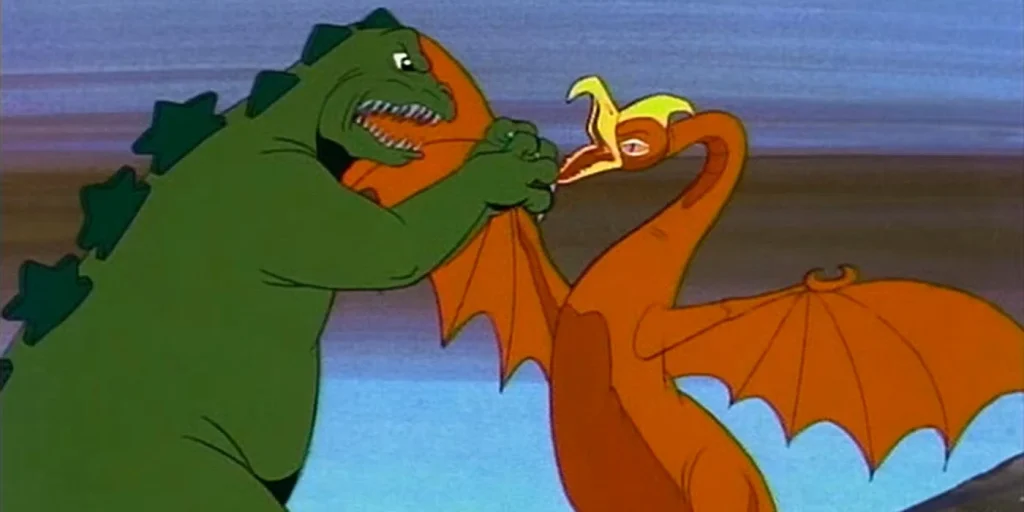
Not every Saturday morning monster lived in a haunted castle.
Some of them could flatten a city.
Godzilla arrived on NBC in 1978 in an animated series produced by Hanna-Barbera in association with Toho.
This was Godzilla redesigned for the Saturday morning crowd.
He still emerged from the ocean and battled giant monsters. He still possessed enough destructive power to destroy Tokyo.
But now he was essentially a gigantic reptilian superhero summoned by the crew of the research ship Calico whenever another enormous creature appeared.
And then there was Godzooky. Yes, Godzilla had an awkward little companion. It was like an even worse version of Scrappy-Doo.
Saturday morning television could apparently look at one of cinema’s most famous atomic-age monsters and decide what he really needed was a goofy sidekick.
For kids, though, the result was magnificent.
Giant monsters belonged on Saturday morning too.
Drak Pack: Dracula Had Grandchildren
Then came the 1980s, when Saturday morning’s relationship with monsters became even more direct.
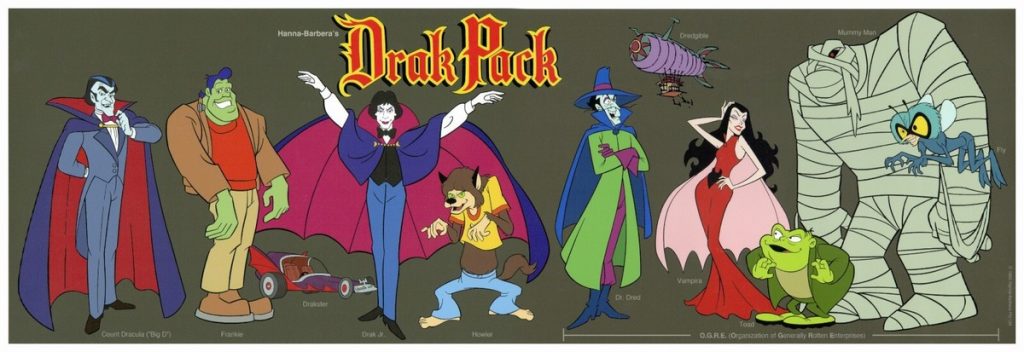
By 1980, Hanna-Barbera’s Drak Pack barely needed to explain itself.
Dracula’s descendants were teenagers.
Drak Jr., Frankie and Howler could transform into a vampire, Frankenstein-like monster and werewolf to battle a villainous organization called O.G.R.E.
Naturally, they traveled around in a flying car called the Drakster.
Because apparently being descended from Dracula wasn’t enough to get children’s attention in 1980. Dracula’s grandson also needed a flying car.
The premise says quite a bit about how thoroughly horror imagery had entered children’s culture. The monsters that had frightened movie audiences decades earlier had become superheroes.
Dracula wasn’t lurking in a Transylvanian castle anymore. His grandson was fighting crime on Saturday morning.
The Real Ghostbusters Made the Supernatural Normal
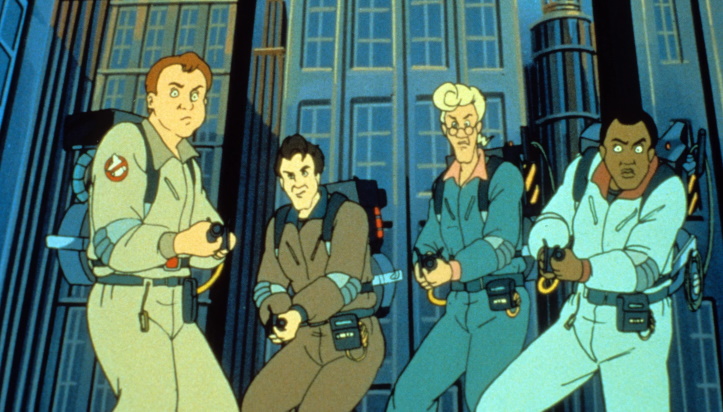
The Real Ghostbusters debuted in 1986 and brought the supernatural straight into children’s television every week.
Unlike Scooby’s villains, these ghosts were real. Very real.
New York City was apparently suffering from a paranormal infestation of almost biblical proportions, and four guys with proton packs were the only thing preventing complete supernatural collapse.
The series could be funny, but it also occasionally became genuinely creepy.
Its writers drew from mythology, folklore, horror fiction and urban legends. The Ghostbusters encountered everything from ordinary specters to ancient supernatural entities.
For a cartoon based on a comedy blockbuster, it wasn’t afraid to get weird.
Or dark. Or occasionally disturbing.
And that was part of the appeal.
By this point, kids didn’t need monsters softened quite as much.
We could handle them. Well, mostly
Beetlejuice Made the Afterlife Fun
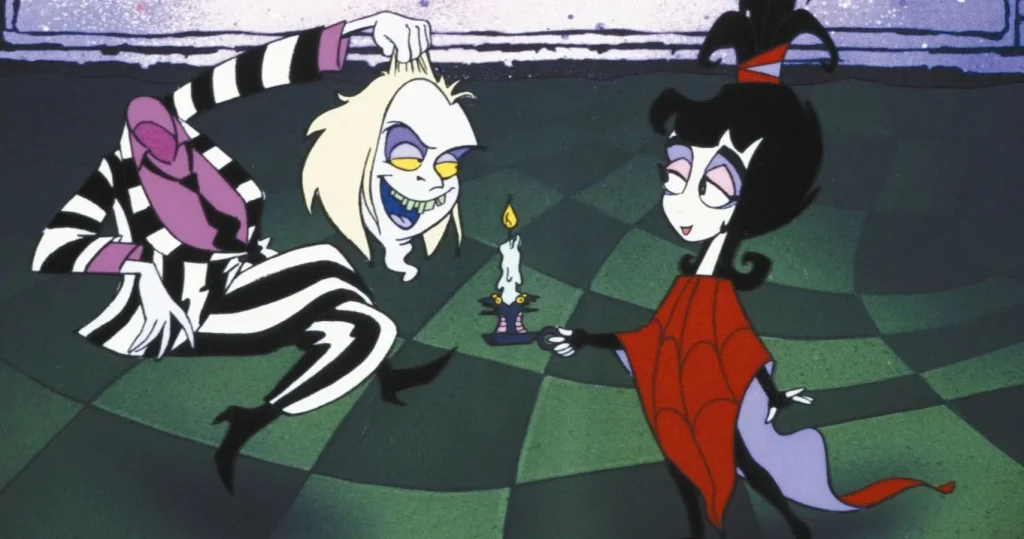
A few years later, Beetlejuice took things even further.
The animated series debuted in 1989, loosely inspired by Tim Burton’s 1988 film.
Its version of the Neitherworld was packed with ghosts, skeletons, monsters, strange creatures and macabre jokes.
Death itself had basically become a playground.
The cartoon was brighter and much more kid-friendly than the movie, but it retained the wonderfully grotesque idea that the supernatural world wasn’t necessarily terrifying.
It was just really, really weird.
Monsters weren’t creatures we feared anymore. They were characters we wanted to visit.
And Then There Was Tales from the Cryptkeeper
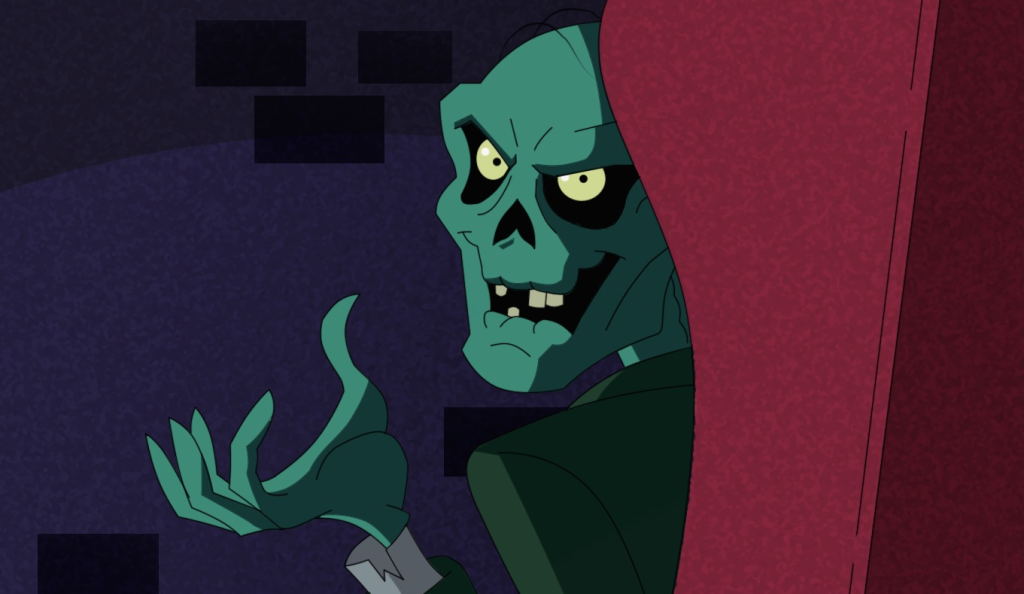
By the early 1990s, children’s television had apparently decided subtlety was no longer necessary.
Tales from the Cryptkeeper debuted in 1993.
Think about that for a moment.
The adult HBO series Tales from the Crypt was famous for murder, gore, sex and an undead host who looked like he had been left behind a radiator for several centuries.
Naturally, someone looked at the Cryptkeeper and thought:
Kids would love this.
They were right.
The animated series toned down the adult material considerably, but the Cryptkeeper remained our guide through stories filled with monsters, supernatural revenge and wonderfully nasty consequences.
For kids who weren’t allowed to watch the HBO version, Tales from the Cryptkeeper felt slightly dangerous. It had the same name. It had the Cryptkeeper. It was close enough
The Monsters Were Everywhere
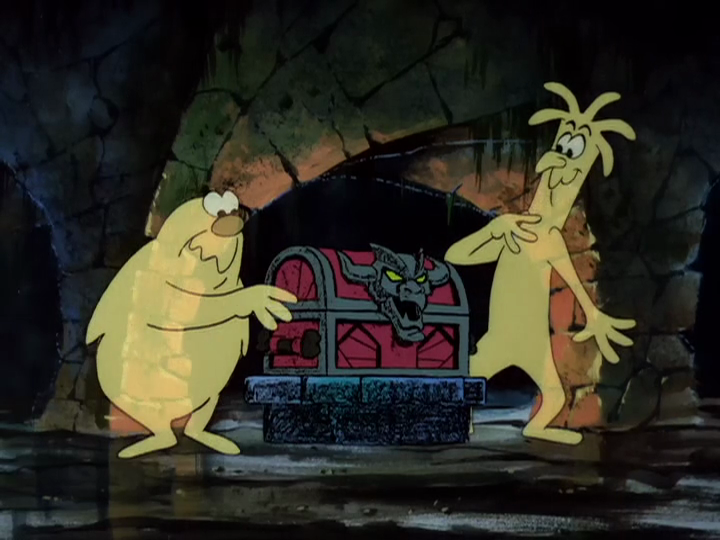
There are many more examples. Monsters and supernatural creatures kept wandering into children’s television.
The 13 Ghosts of Scooby-Doo finally gave Scooby actual supernatural enemies.
Gravedale High put Rick Moranis in charge of a classroom filled with teenage versions of classic monsters.
Monster in My Pocket turned the popular toy line into animation.
Even cartoons that weren’t specifically about horror regularly dipped into the monster toolbox. Haunted castles, cursed objects, ancient tombs and ghost ships were all recurring subjects.
Saturday morning cartoons were often only a thunderstorm and an abandoned mansion away from becoming horror stories.
Horror With Training Wheels
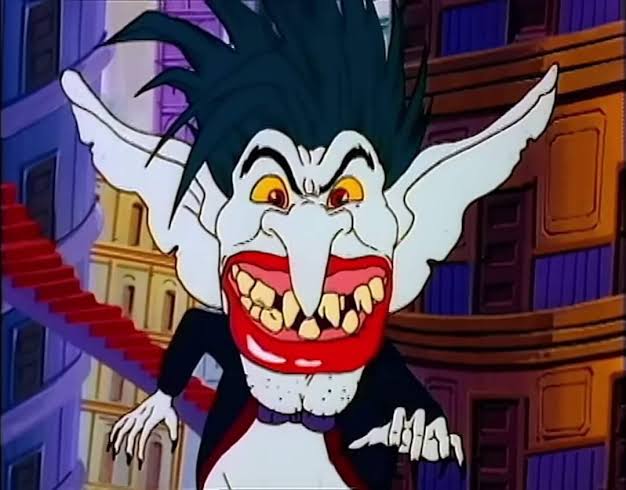
Looking back, Saturday morning monsters served an interesting purpose.
They were an introduction to horror.
The cartoons introduced children to the imagery and rules of horror without necessarily exposing them to horror itself.
We learned that vampires hated sunlight, mummies came with curses, Frankenstein’s monster had bolts in his neck and the Wolfman has nards! Oh wait, not a cartoon.
Ghosts liked abandoned mansions, and cemeteries were absolutely not places to visit after dark. We didn’t need cartoons to tell us that.
It wasn’t like sitting down to watch Jason chase us through the woods or Freddy invade our dreams. But it was a start.
For many Gen X kids, these cartoons formed one of the first steps along a path that eventually led toward Universal monster movies, Stephen King novels, Tales from the Darkside, Friday the 13th, A Nightmare on Elm Street and everything else waiting on the horror shelf at the video store.
The monsters got scarier as we got older. But they had already been introduced to us.
Saturday Morning Is Dead. The Monsters Survived.
The traditional Saturday morning cartoon ritual has largely disappeared.
There’s no reason for a kid to wake up at 7:00 a.m. because television networks have collectively decided that this is the precise moment cartoons should begin.
Cartoons are everywhere now. Any episode, any time, any day.
It’s convenient. But something was lost when Saturday morning stopped being an appointment.
There was something wonderful about sitting on the floor with a bowl of cereal while the rest of the house was still quiet, flipping through a few channels and seeing what strange adventure television had waiting that week.
Sometimes it was superheroes. Sometimes it was talking animals. And quite often, it was monsters.
We didn’t seem to mind.
Maybe that’s why we remember them so fondly. They weren’t the monsters under our beds. They were the monsters we grew up with.